 TravTalk Middle East Online Magazine
As the year draws to a close, the global travel trends indicate a renewed focus on reflection, rejuvenation, and responsible exploration. While winter has traditionally been associated with festive breaks and family reunions, today’s travellers are seeking something deeper than traditional leisure. They are searching for authenticity, purpose, and meaningful travel.
The year-end travel trends herald a new era, shaped by slow tourism, hyper-local experiences, and purpose-driven journeys. These trends are redefining how individuals explore the world, including the Middle East.
Slow tourism
In an era characterised by accelerated lifestyles and constant mobility, the growing prominence of slow tourism signifies a conscious shift toward mindfulness, sustainability, and deeper cultural engagement. Rather than pursuing busy itineraries, contemporary travellers are increasingly opting to immerse themselves in fewer places for longer, allowing for more meaningful interaction with its environment, traditions, and local communities.
During the winter season, slow travel has emerged as a defining trend, particularly across destinations that foster reflection and reconnection. Examples range from the Feynan Ecolodge in Jordan, Misfat Al Abriyeen, Oman, to the desert co-lodges in the UAE. In each context, travellers demonstrate a preference for extended stays, reduced movement, and enriched experiential depth.
Moreover, slow tourism aligns closely with global sustainability objectives by encouraging lower carbon emissions, supporting local economies, and promoting cultural preservation.
Hyper-local experiences
The concept of hyper-local travel is gaining increasing prominence, particularly among younger and more discerning travellers seeking authenticity and cultural depth. Rather than engaging with standardised tourism products, contemporary visitors are drawn to experiences that reflect the unique social and cultural identity of a destination. Within the Middle East, this trend is manifesting through initiatives that celebrate indigenous heritage, traditional craftsmanship, and community-based tourism. For example, Rijal Almaa Heritage Village in Saudi Arabia offers visitors an immersive rural tourism experience that emphasises authenticity, biodiversity, and community-led development.
Rise of wellness & nature-based travel
Post-pandemic travel has highlighted the connection between well-being and exploration. Once associated with spa retreats, wellness tourism now embraces holistic experiences that nurture physical health, mental clarity, and emotional transformations. Winter, with its traditional reflective pace, offers the ideal backdrop for such journeys. From mountain meditation retreats in Oman to yoga and sound-healing sessions amid the UAE’s desert landscapes, travellers are increasingly turning to nature as both sanctuary and guide.
Sustainability at the core of travel
Environmental awareness is increasingly shaping travel choices. Travellers are prioritising destinations and accommodations that demonstrate tangible commitments to sustainability, conservation, and community support.
Winter travel in 2025 is defined by intentionality and mindfulness. Across the Middle East, travellers are seeking journeys that are slower, more local, and transformative.
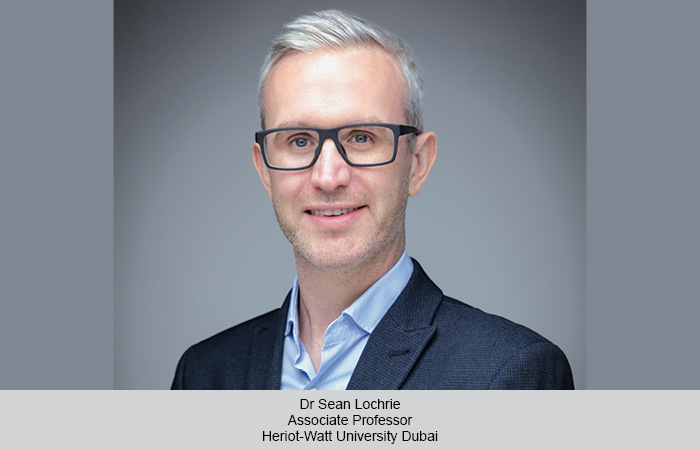
Dr Sean Lochrie, Associate Professor, Heriot-Watt University Dubai
(The views expressed are solely of the author.)